
Why Co-operative Banks Must Become “Digital-First” by 2027 (And How to Do It)
India’s co-operative banks have always been built on trust, community relationships, and accessibility. For decades, they have supported small businesses, farmers, and local families. However, banking behaviour is rapidly changing. Customers now expect fast, digital, and secure services, from mobile banking to instant updates and seamless transactions. By 2027, becoming digital-first will not be optional for co-operative banks; it will be essential for survival and growth.
This article explores why digital transformation is urgent and how co-operative banks can practically implement it, supported by a real-world style case approach.
The Growing Need for Digital-First Banking
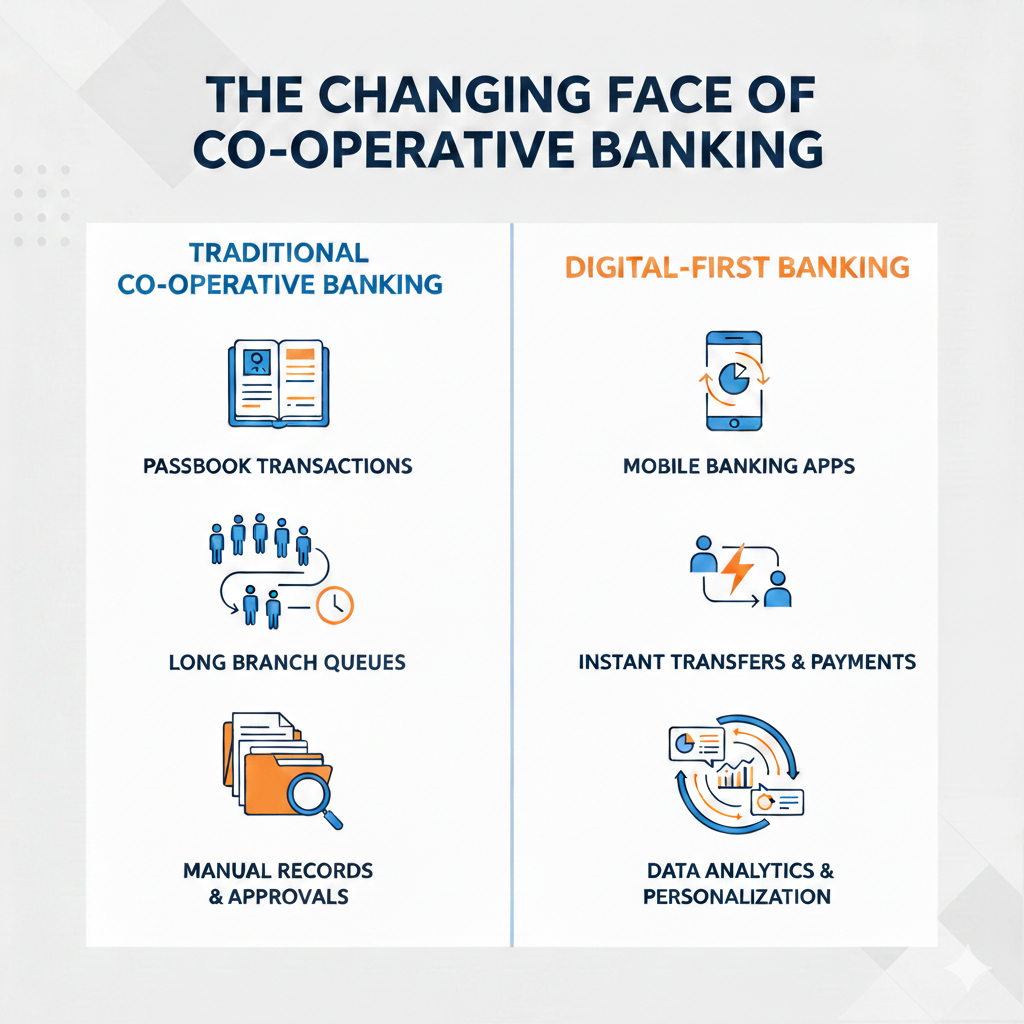
Today’s customers compare services not only with other co-operative banks but also with private and digital banks. They expect:
- Quick account access through mobile and web
- Real-time updates and transparency
- Faster service without long branch queues
- Secure and reliable digital platforms
At the same time, regulators in India are encouraging better compliance, reporting, and data transparency. Manual operations, paper-based records, and delayed reporting make it difficult for many co-operative banks to compete. Without digital transformation, banks may face:
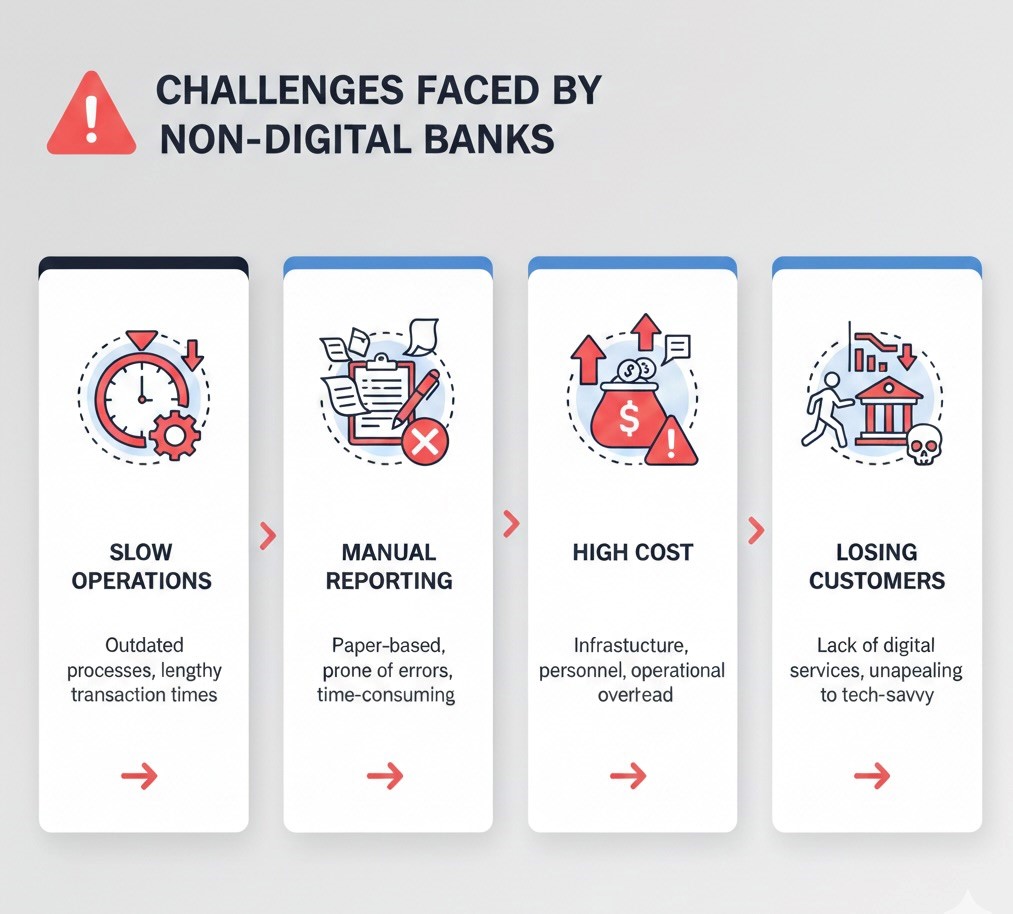
- Slow operations and higher costs
- Limited customer engagement
- Difficulty in regulatory reporting
- Loss of younger, tech-savvy customers
A Practical Case: Transitioning to Digital
Consider a mid-sized co-operative bank serving semi-urban and rural customers. The bank had strong customer loyalty but struggled with operational delays. Branches relied heavily on manual reporting, and customers had limited digital access. Decision-making was slow because data from branches took days to compile.
To modernise, the bank decided to adopt a structured digital approach instead of random upgrades.
Step-by-Step Digital Transformation
Step 1: Build a Strong Digital Interface
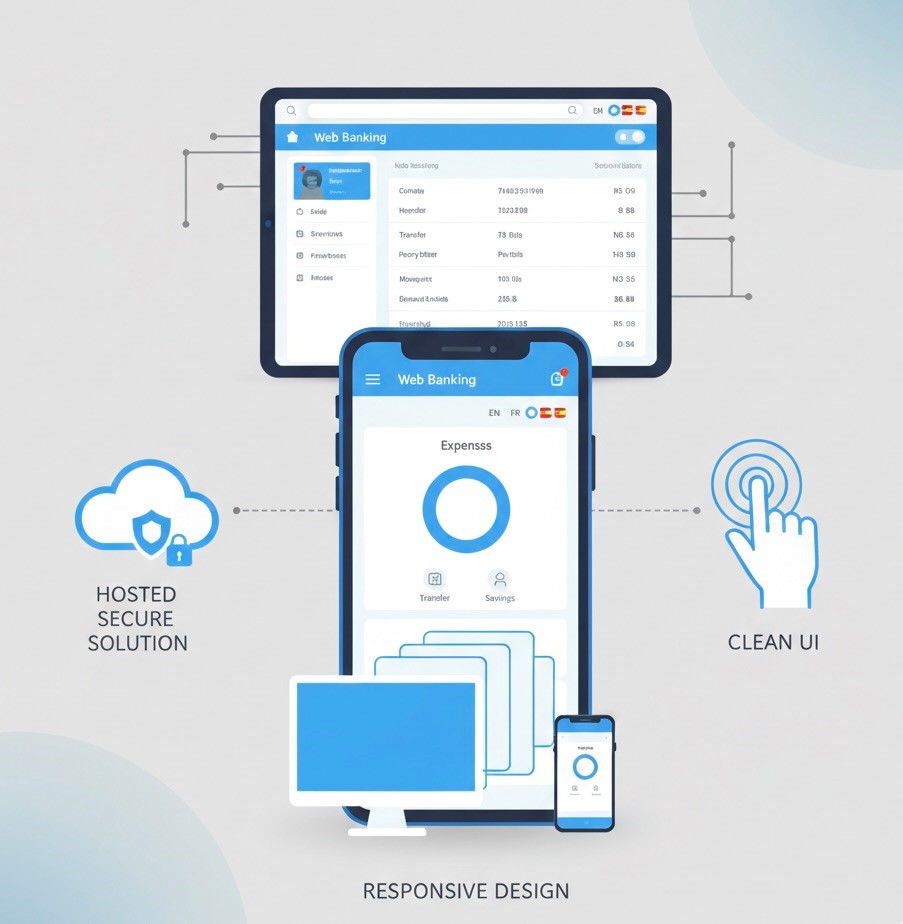
The bank introduced a modern web and mobile platform that allowed customers to check balances, view transactions, and access services anytime. Responsive design ensured smooth usage across devices, while multilingual support made it easy for local users. Being fully hosted and regulation-compliant, the solution required minimal infrastructure investment.
Step 2: Simplify Backend Operations
The bank improved internal efficiency by reducing manual work and streamlining processes. Faster processing and backend support helped employees focus more on customer service instead of paperwork.
Step 3: Enable Real-Time Analytics
Real-time analytics gave instant visibility into branch performance and transactions. One-click reports replaced manual compilation, while secure, role-based access ensured safe and faster decision-making.
Step 4: Improve Customer Experience
Faster systems and digital access reduced waiting time and improved transparency. This increased customer trust and attracted younger, digital-first user
The Role of Smart Digital Solutions
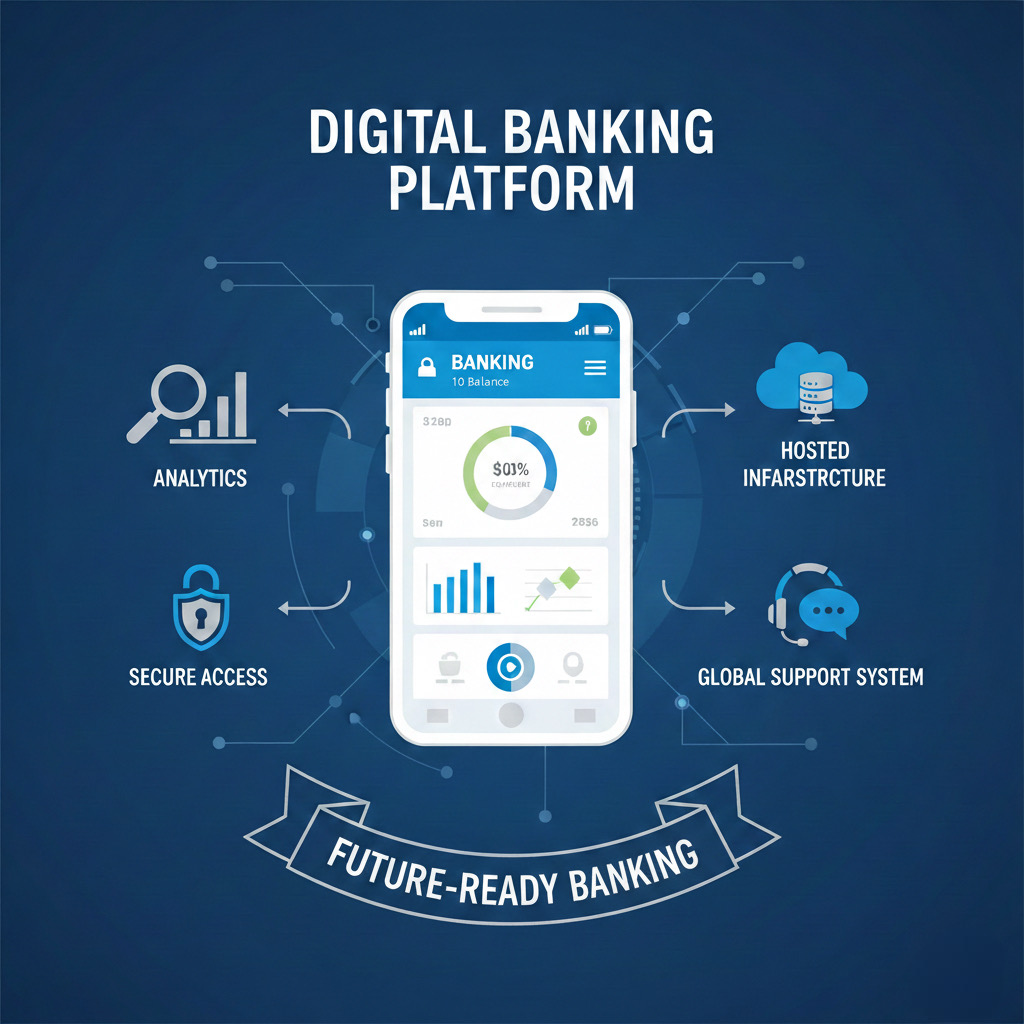
Solutions like SmrtNxt are designed specifically for co-operative banks to support this transition. Instead of complex and expensive digital overhauls, such platforms provide:
- A modern, responsive web and mobile interface
- Hosted and regulation-compliant systems
- Continuous backend and technical support
- Real-time analytics with one-click reporting
- Secure, role-based access for staff
- Mobile-friendly dashboards for quick monitoring
These features help co-operative banks modernise operations while maintaining their community-focused approach.
Benefits of Becoming Digital-First
By adopting a structured digital strategy, co-operative banks can achieve:
- Faster and more efficient operations
- Better compliance and reporting
- Improved decision-making through real-time data
- Enhanced customer satisfaction and trust
- Reduced operational costs over time
- Stronger competitiveness against private and digital banks
Most importantly, digital transformation does not replace the personal touch of co-operative banks, it strengthens it by making services faster, smoother, and more reliable.
The Road to 2027
Becoming digital-first is not about sudden change but steady progress. Co-operative banks should start with practical steps:
- Modernise customer interface (web and mobile)
- Digitise internal operations
- Use analytics for smarter decisions
- Strengthen data security and compliance
- Continuously train staff for digital adoption
With the right approach and the right technology partner, co-operative banks can successfully transition into the digital future while staying true to their core values of trust and community service.
By 2027, the most successful co-operative banks will be those that combine traditional trust with smart digital innovation,creating a stronger, faster, and future-ready banking experience for their customers.