
LinkedIn Is Becoming the New Discovery Engine for B2B Brands in 2026
Forget Google for a second. In 2026, the first place a B2B decision-maker discovers a new brand, tool, or vendor isn’t a search engine, it’s their LinkedIn feed.
And that’s not a prediction anymore. It’s already happening.
Why LinkedIn? Why Now?
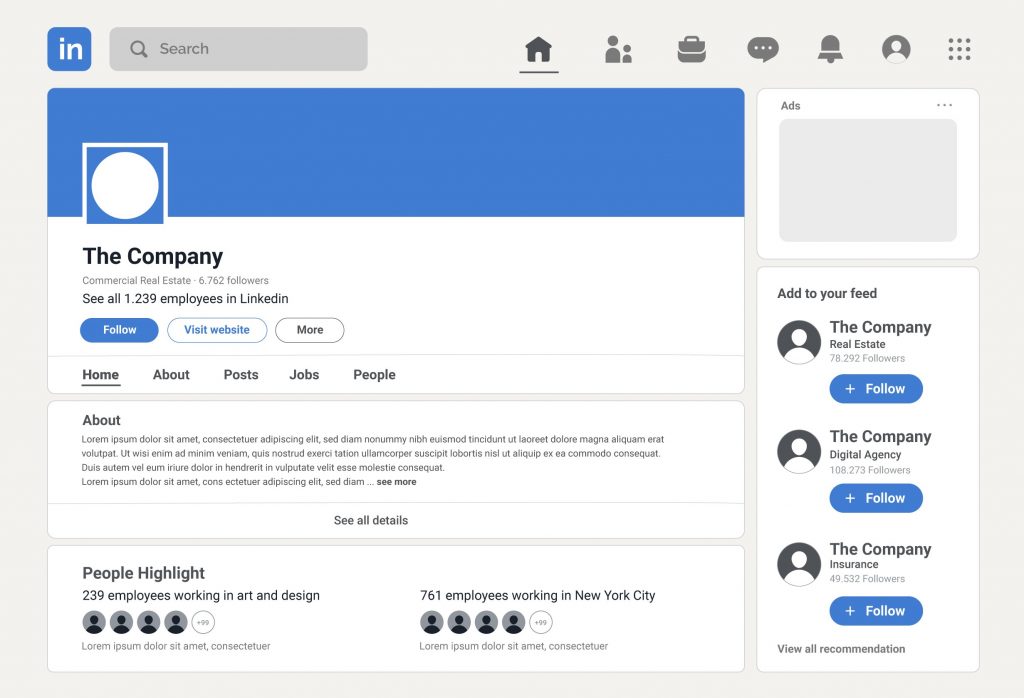
Search behaviour has shifted dramatically. Buyers aren’t just Googling “best CRM for startups” anymore — they’re watching a founder break down their onboarding failure, reading a COO’s post about switching vendors, and bookmarking a carousel that explained a complex SaaS concept in 8 slides.
As a result, LinkedIn has quietly become the place where trust is built before a single sales call happens.
Three things accelerated this shift:
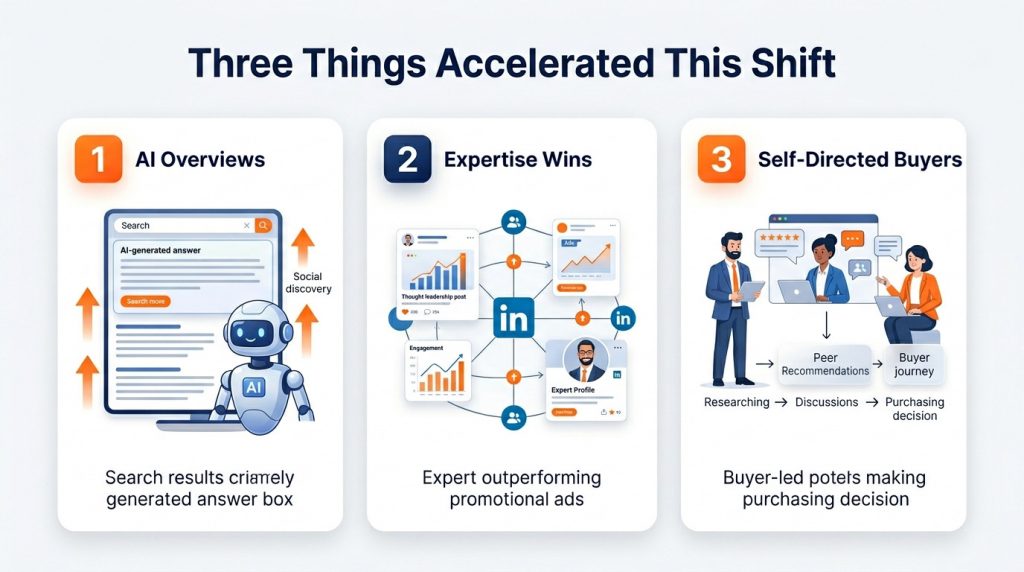
- AI Overviews on Google pushed organic content down the page, so social discovery became far more valuable
- LinkedIn’s algorithm now heavily rewards expertise-driven content over promotional posts
- Buyers do more independent research — they want peer validation, real insights, and honest takes — not brand ads
Consequently, decision-makers arrive at sales conversations already having an opinion about you. And that opinion? It formed on LinkedIn.
How B2B Brands Are Using LinkedIn as a Discovery Channel
1. Thought Leadership Over Product Pushes
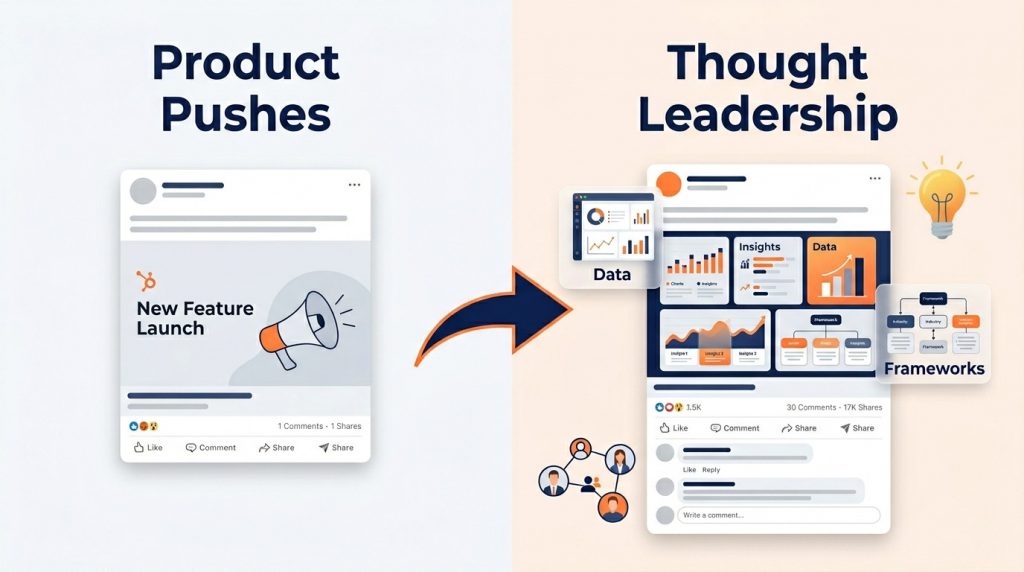
The brands winning on LinkedIn in 2026 aren’t posting “Check out our new feature.” Instead, they’re posting why a common industry assumption is wrong — sharing real numbers, real failures, and real frameworks.
Buyers remember the brand that taught them something. They forget the one that ran a discount promo.
2. Founder & Employee Content as Brand Amplification
Personal profiles consistently outperform company pages. Because of this, smart brands now activate founders, sales leads, and subject matter experts to post under their own names — building a distributed web of credibility that no ad budget can replicate.
In fact, one strong voice in your niche can do more for pipeline than three months of sponsored content.
3. Carousels and Short Videos as SEO-Adjacent Assets
LinkedIn’s native content, especially carousels and short-form video — increasingly gets indexed and surfaces in AI-generated search answers. This is pure GEO territory.
Moreover, if your content clearly and consistently answers real questions, tools like ChatGPT, Perplexity, and Google’s AI Overviews cite it. That’s discoverability money simply can’t buy.
The Discovery Funnel Has Moved
| Old B2B Journey | New B2B Journey (2026) |
|---|---|
| Google Search → Website | LinkedIn Post → Profile → DM |
| Blog → Lead Magnet | Carousel → Comment → Discovery Call |
| Ad → Landing Page | Short Video → Follow → Newsletter |
| Cold Email | Warm Inbound from Content |
The funnel didn’t disappear, it simply moved platforms. And the brands that haven’t noticed are steadily losing ground to those that have.
What You Actually Need to Do Differently
If your B2B brand still treats LinkedIn as a broadcast channel for press releases and product updates, buyers who matter most won’t find you.
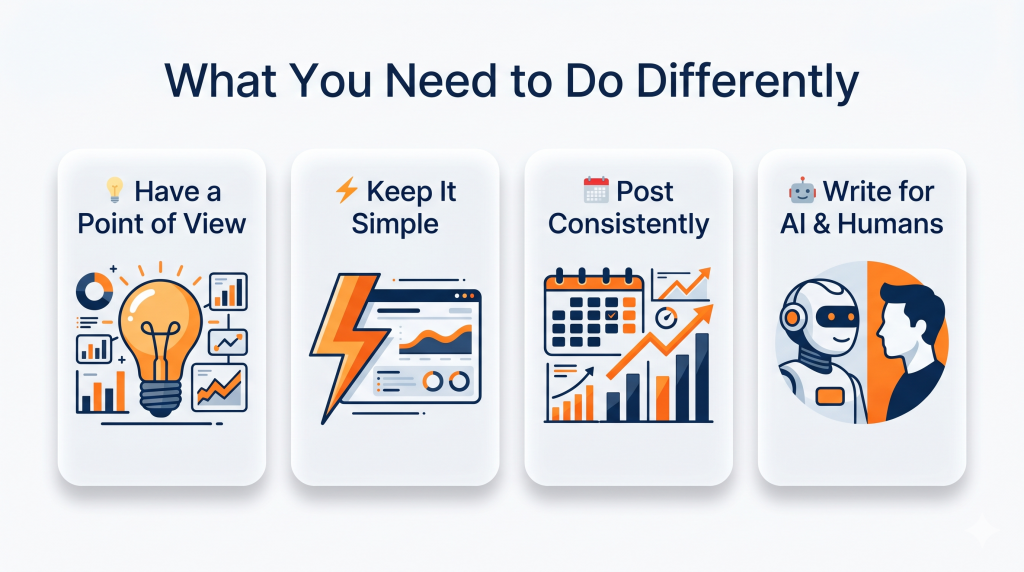
Here’s what the shift looks like in practice:
- Lead with a point of view. Bland content gets scrolled past. Opinions, however, drive engagement.
- Make it easy to understand fast. Carousels, bullet-led posts, and short videos win because they respect the reader’s time.
- Post consistently, not perfectly. The algorithm rewards showing up. A good post published regularly beats a perfect post published occasionally.
- Optimise for AI citation. Write content that directly answers your buyers’ questions. Clear structure, real insight, no fluff — that’s what AI summaries reference.
Therefore, start thinking of LinkedIn as your top-of-funnel search engine, one where your content is the keyword, your voice is the brand, and consistency is the ranking factor.
The brands doing this today are the ones buyers will already trust tomorrow.
FAQs
1. Is LinkedIn replacing Google for B2B discovery? LinkedIn isn’t replacing Google — rather, it complements it. However, LinkedIn is increasingly where first impressions form, especially among senior B2B decision-makers.
2. How often should a B2B brand post on LinkedIn in 2026? Consistency matters more than frequency. Posting three to five times a week with high-value content outperforms daily posting with filler.
3. Do company pages or personal profiles work better for B2B discovery? Personal profiles earn significantly more organic reach. So, activate your team’s voices rather than relying solely on the company page.
4. What type of content drives the most B2B discovery on LinkedIn? Carousels, short-form video, and strong opinion-led text posts consistently perform best for reach and sustained engagement.
5. How does LinkedIn content help with GEO (Generative Engine Optimization)? Well-structured, expert-driven LinkedIn content gets indexed and cited in AI-generated search summaries — making it a powerful GEO asset alongside traditional SEO.
To stay updated on the latest in digital technology and practical insights, visit Cleuz Blog and explore more resources for forward-looking development.