
Google’s May 2026 Core Update: Here’s What Google Is Actually Looking At
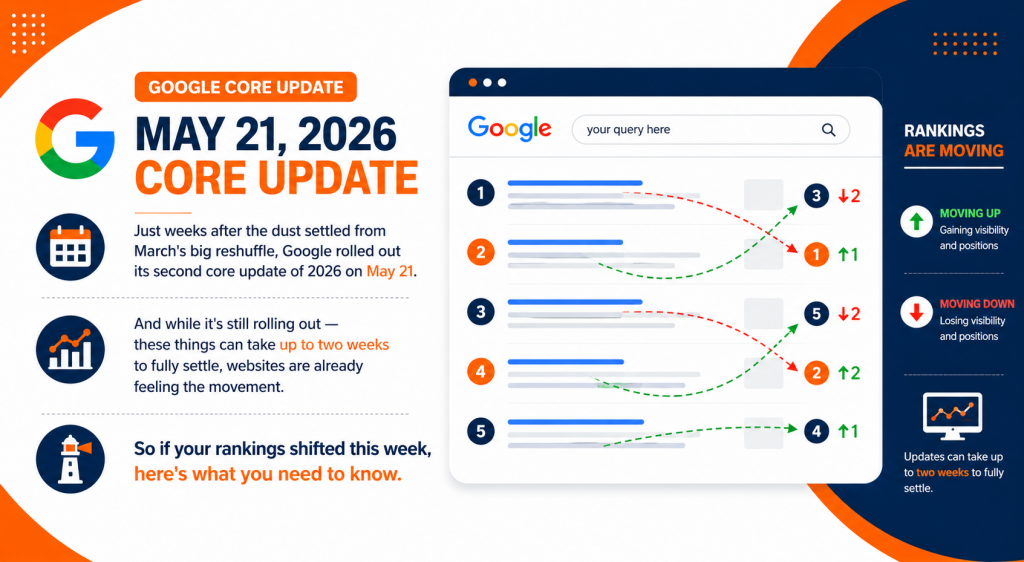
Another update. Another round of ranking shifts.
Google rolled out its second core update of 2026 on May 21, and just like the one in March, websites are already feeling it. If your traffic dipped this week, you’re not imagining it and you’re not alone.
But here’s the thing most articles won’t tell you. Google has actually been pretty open about what it looks for when it reshuffles the rankings. Not vague platitudes — a real, specific checklist. And if your site took a hit, it’s worth going through it honestly.
First, understand what a core update actually is
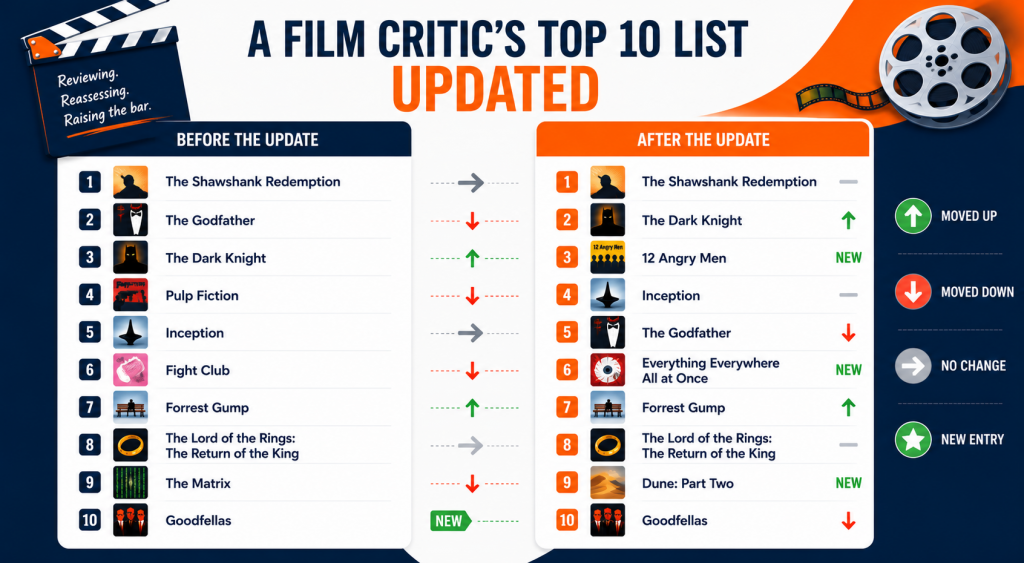
Google isn’t targeting your site. It’s not a penalty. Think of it like a film critic going back through their top 100 list after a few years — some films move up because they’ve stood the test of time, some new ones earn their place, and others quietly slip down. Nothing about them changed. The standard just got sharper.
That’s a core update. Google’s systems reassess content across the web, and the bar moves. Twice this year already.
What Google is actually asking about your content
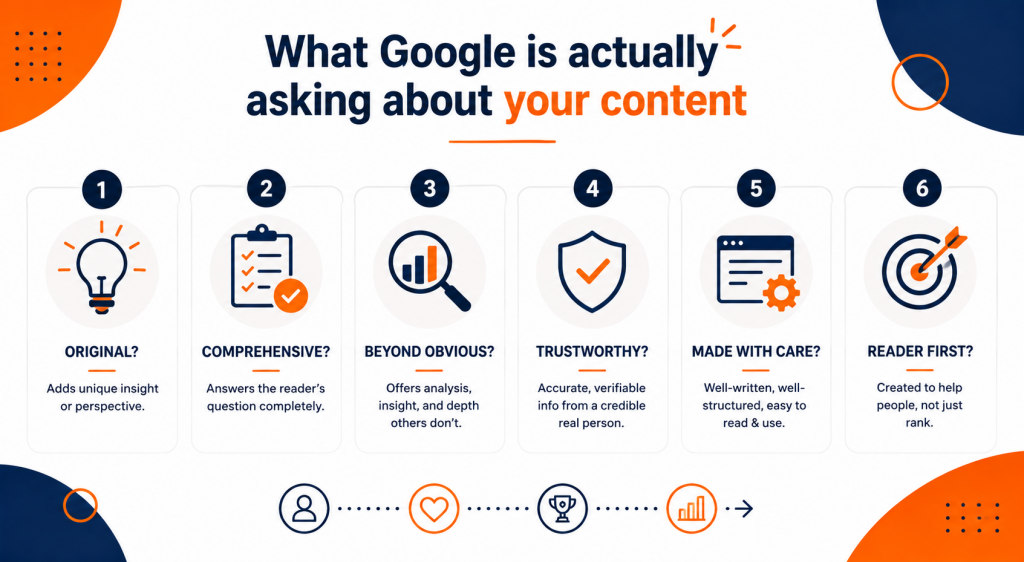
This is the part that matters. When Google evaluates whether your content deserves to rank, it’s essentially running through a set of questions. Here’s what those look like in plain terms — and what they mean for your site.
Q1. Does your content say something original?
Not just covering a topic — actually adding something to it. Original research, a genuine point of view, reporting that couldn’t have come from anywhere else. If your article is essentially a tidier version of the top five results, Google has noticed.
Q2. Is it genuinely comprehensive?
Not long for the sake of being long. Comprehensive means it actually answers what someone came looking for — completely, without making them go elsewhere to fill in the gaps.
Q3. Does it go beyond the obvious?
Surface-level content is easy to produce and easy to spot. Google is looking for analysis, insight, information that makes a reader think — not just a summary of what everyone already knows.
Q4. Can people trust it?
This one has two layers. First, is the information accurate and verifiable? Second, is there a real, credible person behind it? An author bio, a linked profile, evidence that a human who actually knows this subject wrote it. Anonymous content with no traceable expertise has been losing ground consistently across every update this year.
Q5. Was it made with care?
Spelling, structure, mobile display, ad load — these aren’t just UX details. They signal whether someone took the time to produce something properly or just pushed it out. Google treats them as quality signals.
Q6. Does it serve the reader or the algorithm?
This is probably the most important question of all. Content that exists purely to rank — stuffed with keywords, structured around search terms rather than actual helpfulness — is exactly what these updates are designed to push down. The question Google is really asking: does this page exist for the person reading it, or for the rankings?
What to do if your site was affected
Don’t start deleting pages. Don’t rewrite everything at once. Open Google Search Console, look at which pages dropped around May 21, and go through the questions above for each one — honestly.
Most of the time, the answer is somewhere in there. Content that doesn’t add anything new, pages with no real author, articles that technically cover a topic but don’t actually help anyone. Those are the gaps worth closing.
Recovery rarely happens immediately. It usually comes with the next core update, once Google has had time to reassess the improvements you’ve made. So the work you do now matters — it just needs a little patience.
The bottom line
Google hasn’t introduced anything new or mysterious with this update. It’s applying the same standard it’s been building toward for years — content made for people, by people who actually know what they’re talking about. The checklist above isn’t a secret. Google published it. The question is just whether your content holds up against it.
If you’re working through that and want a second opinion on where your site stands, it’s exactly the kind of thing we look at with businesses at Cleuz. Always happy to have that conversation.
Google’s May 2026 core update is still rolling out and will likely keep moving rankings for the next couple of weeks. Worth monitoring before making any major decisions.Share